With more than half a billion users, LinkedIn is undoubtedly one of the largest professional social networking sites. For this reason, ever since it’s launch, digital marketers have been trying to crack the code to use the site as a tool for business success.
If you really care about your business and career, then digital marketing LinkedIn is worth your consideration. LinkedIn is a useful business marketing resource you want to be part of your digital marketing strategy.
In this article, we’re going to explore 7 tried and true tips pros use to get leads from LinkedIn and ultimately grow their business.
1. Optimise your LinkedIn profile
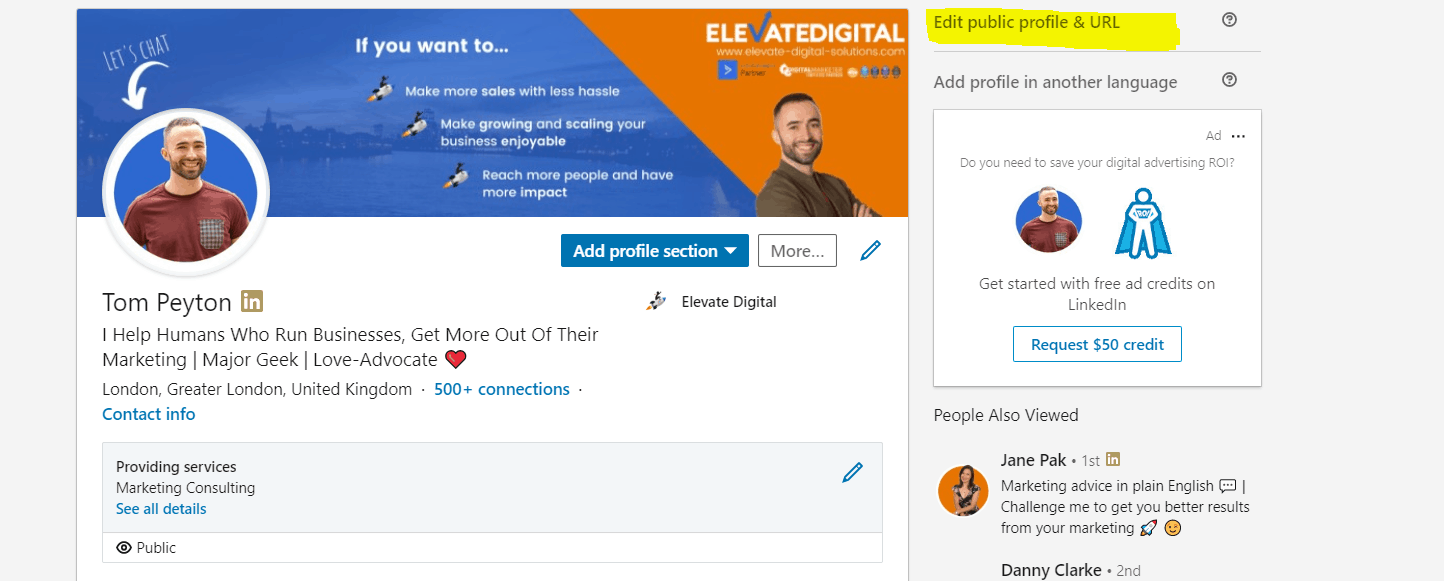
Build your profile and optimise it with keywords to attract traffic and leads from LinkedIn. Be the real you though and don’t over-optimise keywords or go crazy with this. Placing relevant keywords in your headline, summary, and description is a good way to start.
You want your personal profile to be professional and read trustworthy so you probably shouldn’t include a business logo. The people visiting your profile often look to examine you, not your company. So make sure to complete your profile and fill all the provided fields.
Also, you should claim your custom LinkedIn URL that includes your name. This is vital, especially if you care about people searching you on search engines.
If you work in a team, you’ll want to ensure they all have a documented process (including branded assets where relevant) to implement for easily optimising their own profiles to ensure maximum reach and exposure on the platform.
2. Publish actionable content (not just marketing BS… 💩)
Once your profile is complete and optimised, it’s time to share content. Content marketing is crucial on all social networks and LinkedIn is no exception. If you want to use LinkedIn as a marketing strategy, then you need to better your posting habits.
Firstly, people who only promote themselves or their business tend to get nowhere on LinkedIn. People aren’t on the platform to hear your pitch.
Share value-driven, actionable content; like statistics, how-to’s insights or stories.
You’ll also want to mix up the content format from articles, to plain text, to images and even video:
If you’re serious about marketing effectively on LinkedIn, you’ll want to strive to make content so valuable, people can’t help but share and comment…
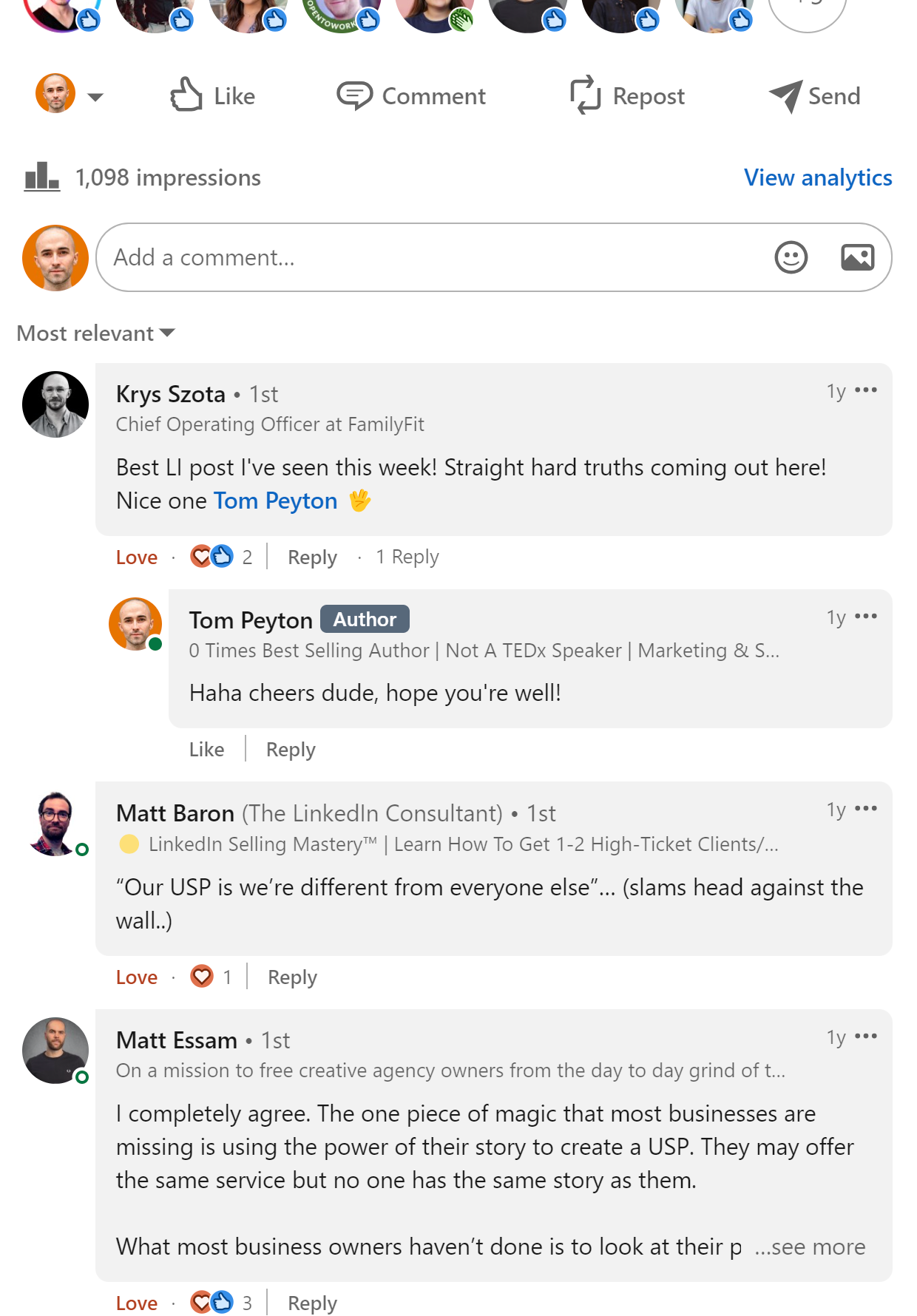


Posting useful content daily can help you engage and reach a wider audience. Remember to use the various post types provided on LinkedIn. You can write articles, upload videos or even share an image.
If you’re going to write articles, create attractive headlines, upload catchy images and share useful knowledge with your audience. This way when people read your article, they’ll likely get hooked and would want to learn more from you.
However, as mentioned above, don’t be afraid to mix it up here and share anecdotes or other stories.
It’s crucial that people can relate to you on as a human on LinkedIn and get to know the real you.
3. Get started with LinkedIn Ad Campaigns
Whether you’re looking for brand awareness or lead generation, deciding your objective should be the first step to help you create and customise your campaign.
With a LinkedIn account, you can use LinkedIn ads to build brand awareness, drive website traffic and generate leads. LinkedIn’s Campaign Manager is the site’s advertising platform that allows you to run ad campaigns.
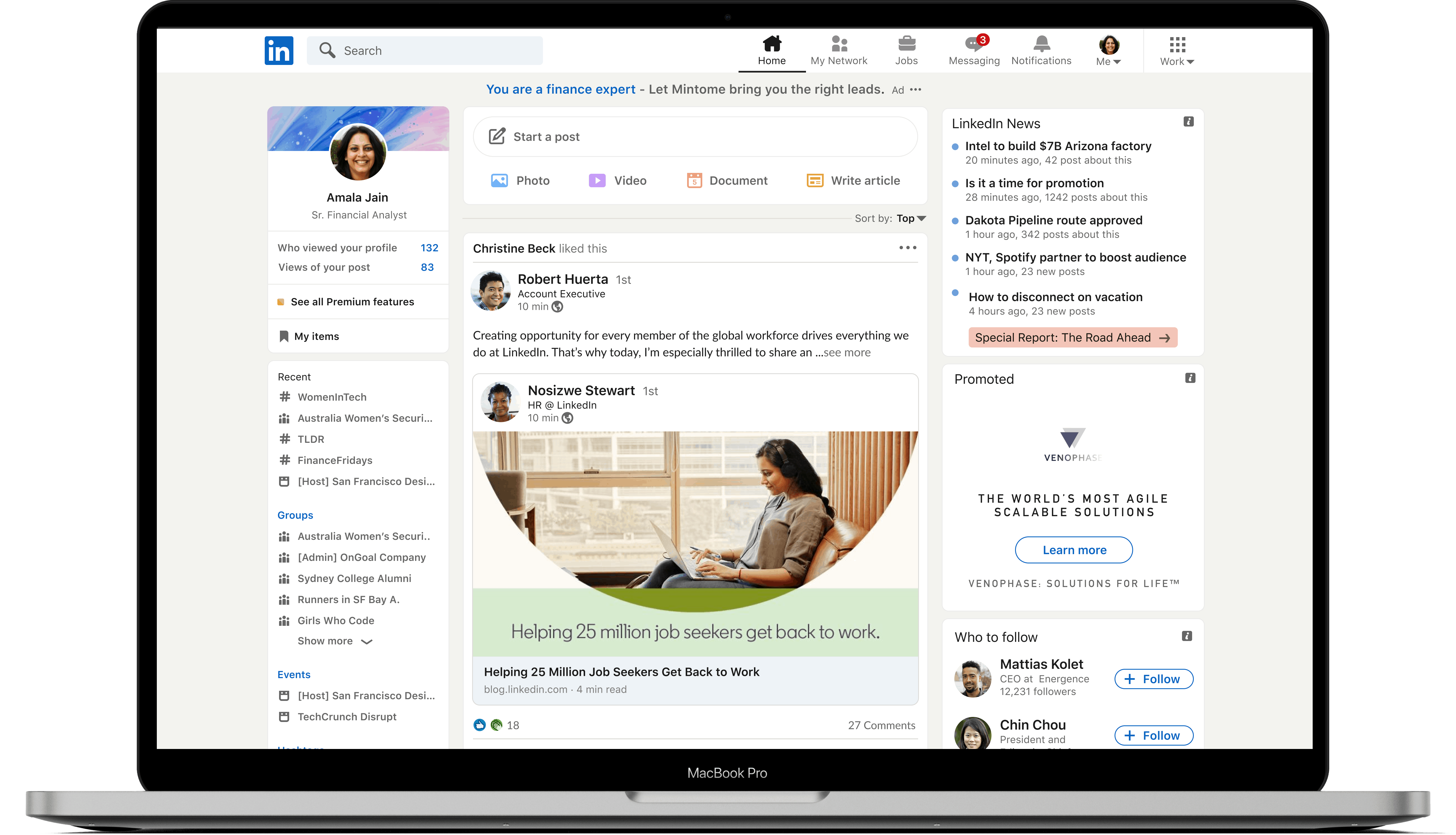
If you’re not sure where to start with LinkedIn Ads.
Check out our step-by step walkthrough video that’ll show you how to get a new LinkedIn Marketing campaign set up in under an hour:
4. Post on LinkedIn consistently (DON’T skip this step…)
One big rule in digital marketing on this platform (or any platform for that matter) is to share often and with consistency.
Businesses that frequently post on LinkedIn have proven to gain more followers than those that don’t. The more consistent you share content, the more you engage your followers─ which can help you rank better on search results.
It’s suspected that the LinkedIn algorithm boosts the reach of users who post consistent content over a longer period of time.
It’s also important to comment on posts from other members of your network. This signals to LinkedIn that you are an engaged member of the community, and not just trying to market your business without giving anything back.
Another reason to comment on other posts is reciprocity…
Your connections will be far more likely to comment on your posts if you engage on theirs – AND…the more comments you get on your posts, the more LinkedIn will be inclined to push your posts to people outside of your network as it demonstrates value!
Want personalised advice on your marketing?
Book your FREE digital review today and we’ll record you a 10 minute video looking at your current strategy and suggest some ways you could significantly increase your results!
5. Create a LinkedIn Page
Pages are free for all users and are a platform for you to post content. A page can provide opportunities for prospects to learn more about your company and your employees. So it makes sense asking employees to update their profiles.
Get many of your employees on LinkedIn and encourage them to complete their profile. These should include things like relevant job history, appropriate photos, how they’re helping your company and their professional connections.
For effective digital marketing, LinkedIn style, your content, colours, and imagery on your page should be consistent with your other social networks and website. You should upload a cover image that resonates with your brand and a high-resolution logo for your company. Fill out the ‘About’ us area so users can find more information about you.
An optimised business page can help your company become more visible among users searching for what you offer. Linking your company page to your website is a great way to help improve your ranking on search engines.
You should also consider incorporating phrases and keywords that prospects might use when searching for your products or service. A good place to include them is the ‘About’ tab.
6. Take Advantage of The LinkedIn Community Features
Aside from your company page and personal profile, LinkedIn offers several community features you can use to communicate or collaborate with other users. Participating in discussions on several LinkedIn groups can help grow your circle of influence.
LinkedIn groups can help you stay in touch with users that have ideas similar to yours. You can join or create your own group community that focuses on your area of expertise. The goal of participating in group discussions is to establish yourself as a leader in a particular topic.
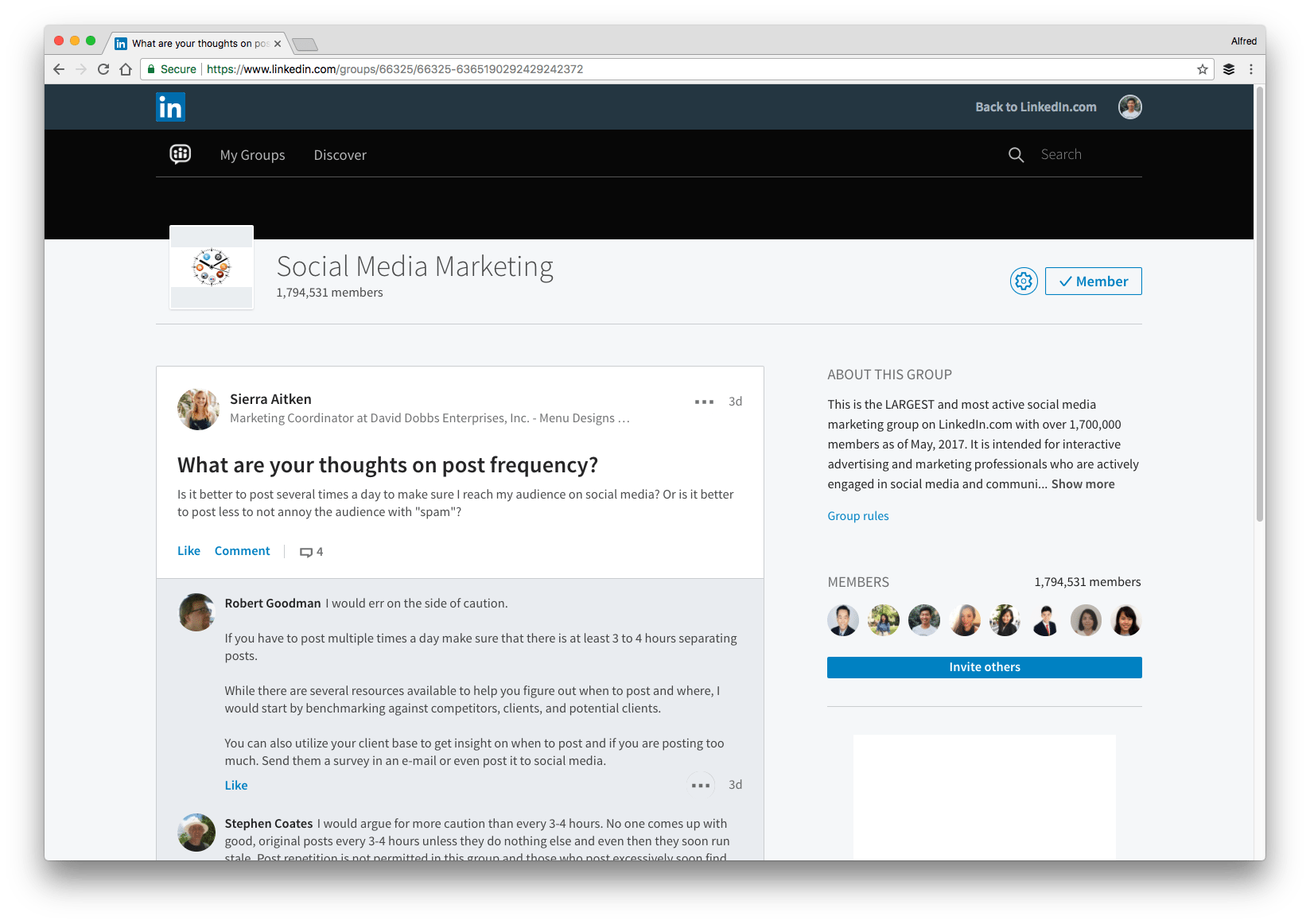
By providing value in discussion groups, readers will think of you as a company that knows how to address particular problems. LinkedIn groups are often considered one of the biggest single sources of leads by most marketers.
You can as well use LinkedIn Influencers as a feature to connect with celebrity leaders. Well-respected Influencers such as Richard Branson, Guy Kawasaki, Tony Robbins, and other influencers provide original content as blog posts. You can engage with their content by commenting on their posts or sharing them as your status updates on LinkedIn.
7. Grow Your LinkedIn Network
Allowing new connections to your network is a good way to expand your opportunities and other valuable options. LinkedIn offers people the opportunity to link up with new connections.
The best thing about LinkedIn as a platform is that you can literally build a hand-crafted connection-base of your perfect customer.
The LinkedIn connection limit is 30,000. But other members can still follow you when you exceed that number. So in a nutshell, that’s potentially 30,000 of your ideal customers in one place who you can put your content in front of!
Is your content is aimed at Risk Management Directors of Investment Banks? Great, only connect with them!
Maybe you serve yoga teachers, no problem… just use LinkedIn search to start finding and connecting with them!
While it’s always a great idea to connect with your professional contacts that are already on LinkedIn; if you really care about expanding your network, then you should consider connecting with others too. This will not only increase your connections but also open you up to more connections on LinkedIn.
Try Digital Marketing – LinkedIn Style
LinkedIn can be a goldmine of opportunities for your career and business and companies are working hard to perfect their digital marketing LinkedIn strategy.
Want to accelerate the growth of your brand? Implement these tips to improve your ranking on LinkedIn and grow your business.
If you’d like a more personalised in-depth review of your marketing, book a review today.

He is a self-confessed Digital Marketing geek and is obsessed with consumer psychology and human behaviour.
In his spare time, Tom is a big advocate for meditation and self-development. He's also an avid gamer and lover of gadgets 🎮📱
- Highly-Effective DTC Marketing Strategies & Examples - February 28, 2024
- How To Set Paid Media Marketing Budget - October 16, 2023
- The Ultimate Guide To A/B Testing - September 23, 2023